
Breathing is the skill that decides whether freestyle feels like swimming or like drowning slowly with style. It is also the most common thing beginners get wrong, and not because it is complicated. It is because the correct pattern is the exact opposite of what your instincts vote for. I spent sixteen years refining my stroke at the highest level, and the breathing rhythm I used in my last race was built on the same fundamentals below. Nothing here requires talent. All of it requires unlearning.
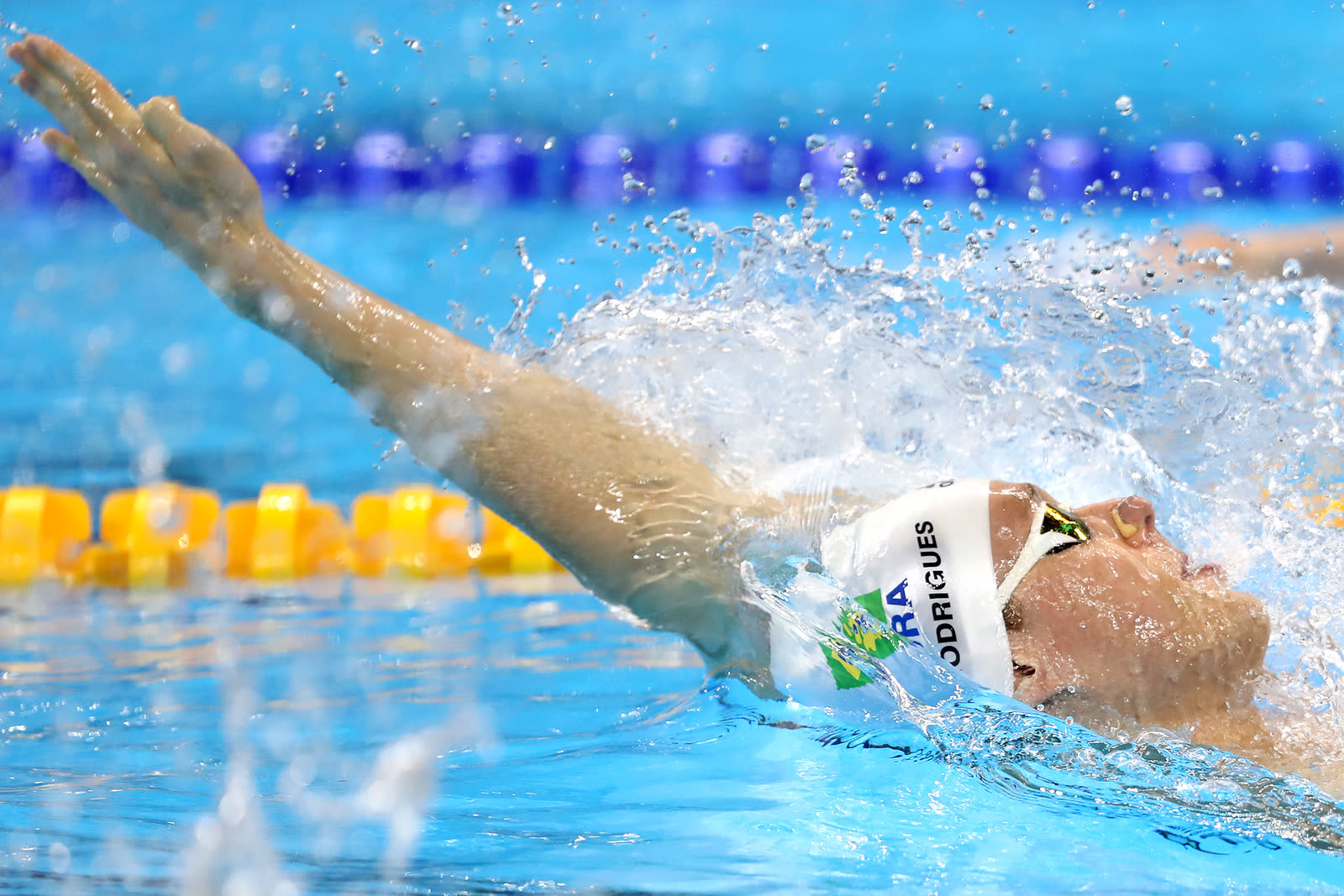
How do you breathe in freestyle swimming?
You exhale continuously into the water between breaths, then turn your head with your body roll to inhale quickly through your mouth, and return your face to the water before your recovering arm lands. That single sentence contains the whole skill. The exhale happens underwater, steady and unhurried, through nose or mouth or both. The inhale happens in the brief window when your mouth clears the surface, and it takes care of itself as long as your lungs are empty when the window opens. Swimmers who struggle almost always have the halves reversed: they hold their breath underwater, then try to exhale and inhale in the same half second above it. No one can do that calmly, including Olympians.
Why do you run out of breath so quickly when swimming?
Usually because you are holding your breath, and the carbon dioxide building up in your blood is screaming at you, not a lack of oxygen. The urge to breathe is driven primarily by rising carbon dioxide levels rather than falling oxygen, as the clinical literature on breath-hold physiology explains. Hold your breath through a stroke cycle and CO2 accumulates, the urge becomes urgent, and your next breath turns into a panicked gulp that ruins your body position. The swimmer feels unfit. The problem is chemical, and the fix is free: get the air out while your face is in the water so every breath is only an inhale.
What is trickle breathing?
Trickle breathing is exhaling in a slow, continuous stream the entire time your face is in the water, so you arrive at each breath with empty lungs and zero urgency. The alternative, explosive breathing, holds the air and dumps it right before the inhale. Some sprinters use explosive breathing over short distances, but for learning, for distance swimming, and for triathlon, trickle is calmer and far more forgiving. Three progressions to build it, in order:
1. Bubbles at the wall
Stand in shallow water, inhale, submerge your face, and hum a long, steady stream of bubbles. Ten calm repetitions. This is the whole skill in miniature, with no coordination demands.
2. Kickboard breathing
Kick easy lengths with your face in the water, trickling bubbles, turning your head sideways to inhale whenever you need. The board removes the arms so the rhythm gets your full attention.
3. Three-strokes-and-breathe swim
Swim easy freestyle exhaling on every stroke and breathing every third, at a pace slow enough that the exhale never feels rushed. If it feels rushed, swim slower. Speed is the enemy of learning here.
When should you take the breath in the stroke cycle?
Your breathing window opens as the arm on your breathing side finishes its push and exits the water, which is the moment your body reaches peak roll toward that side. The head turns with the roll, not instead of it: rotate just enough extra for your mouth to clear, keep one goggle in the water, inhale, and have your face back down before the recovering hand lands in front. If you need to lift your head or crank your neck to find air, the problem is almost never the head. It is timing, or a body that is not rolling enough, and I break that dependency down in how to rotate in freestyle swimming. Lifting the head also sinks your hips and legs, which makes everything heavier than it needs to be.
Should you breathe on both sides in freestyle?
You should be able to breathe on both sides, even if you race breathing mostly to one. Bilateral breathing, typically every three strokes, keeps the stroke symmetrical, gives you an escape from waves or glare on one side in open water, and stops one shoulder from doing all the work. But treating every-three as a law is a mistake when it leaves you short of air on hard swims. My practical rule: drill bilateral during warm ups and easy aerobic sets so both sides stay available, then breathe every two strokes on your preferred side when working hard or racing. Owning both sides matters more than using both sides equally.
How do you stop swallowing water when you breathe?
Keep the breath low and inside the trough your head carves in the water, because height is what exposes your mouth to chop and your own bow wave. Your moving head creates a small depression beside your face, and a swimmer who stays low breathes inside that pocket below the surface line. Swallowing water usually comes from one of three fixable habits: turning the head too far so the mouth points at the sky, breathing late so the inhale happens as the face is already turning down, or lifting the head, which flattens the protective pocket entirely. Slow the stroke down, exhale fully, and practice turning to breathe with one goggle and the corner of your mouth clearing the water. If you still get water, breathe slightly later in the roll, never earlier.
Is hypoxic breath-holding training worth it?
For most swimmers, no, and the dangerous versions of it are never worth it. Restricting breathing frequency in short, supervised doses is a tool some competitive programs use, but hyperventilating before underwater swims or playing breath-holding games can cause a blackout without warning: deliberately blowing off CO2 delays the urge to breathe until after oxygen runs too low to stay conscious. Health authorities have documented drownings of strong, healthy swimmers caused by exactly these behaviors. If you feel breathless in freestyle, the answer is a better exhale and better pacing, not less air. Skip the breath-hold sets and never do them alone.
Breathing problems and endurance problems are hard to tell apart from inside the stroke, and I wrote about the pacing half in how to swim without getting tired. For the pacing side, my free swim pace calculator turns a time trial into training paces you can actually sustain.
SwimRead is a swimming video review app, currently in beta. It supports short, side-view freestyle recordings, shows which automatic measurements are available, and keeps a history and chosen training focus for each swimmer. It does not grade technique or establish that a specific error was detected. Video stays on the phone; technical measurements and body-landmark coordinates are sent as described in the Privacy Policy. Join the beta waitlist for an invitation as places open.